I spent six months living near the Isthmus of Tehuantepec, learning about this unique ecozone which is Chiapas and northern Central America. It represents not just a zone of high endemism but a meeting between major ecoregions and a boundary for widespread families of flora and fauna.
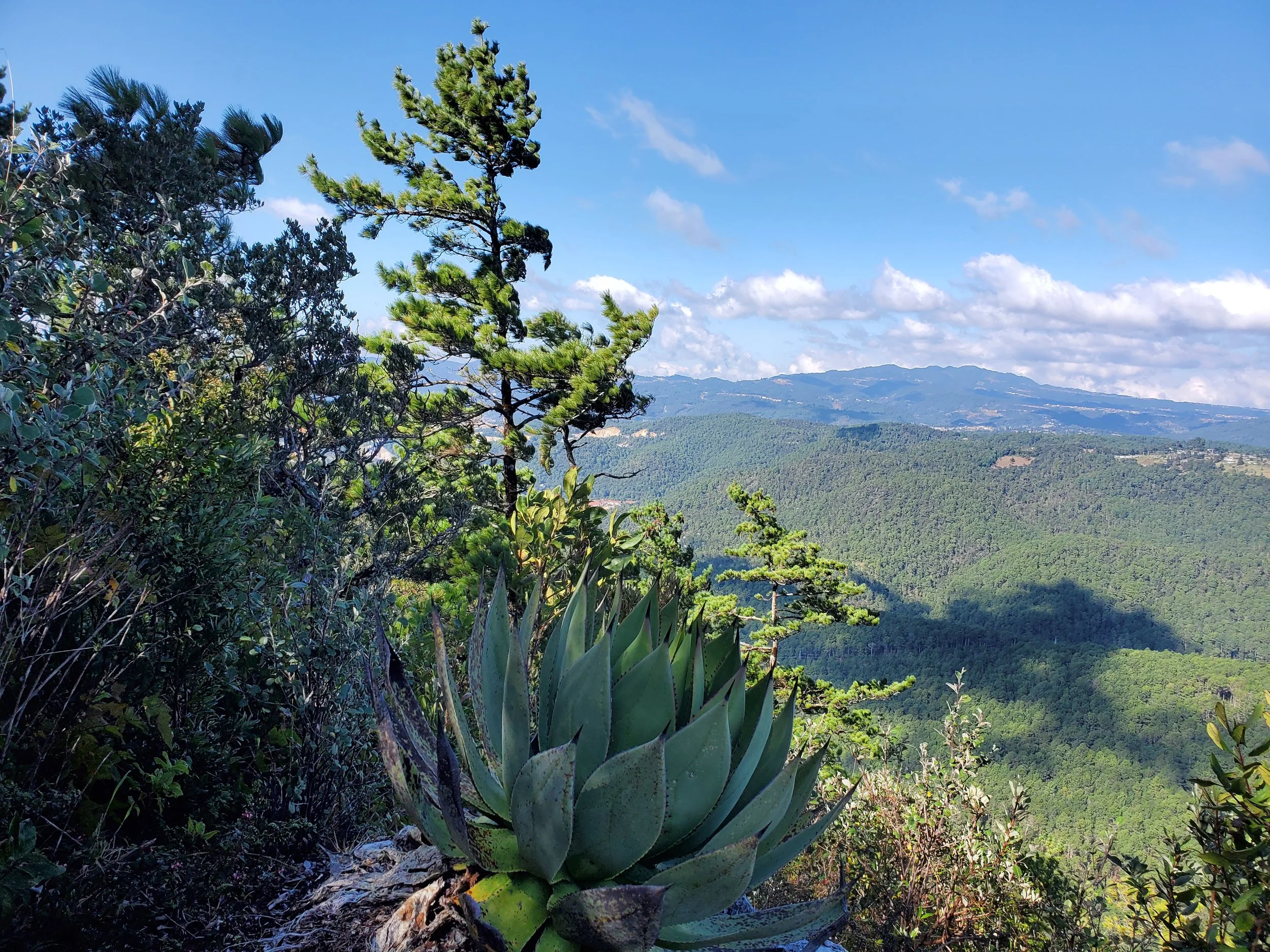
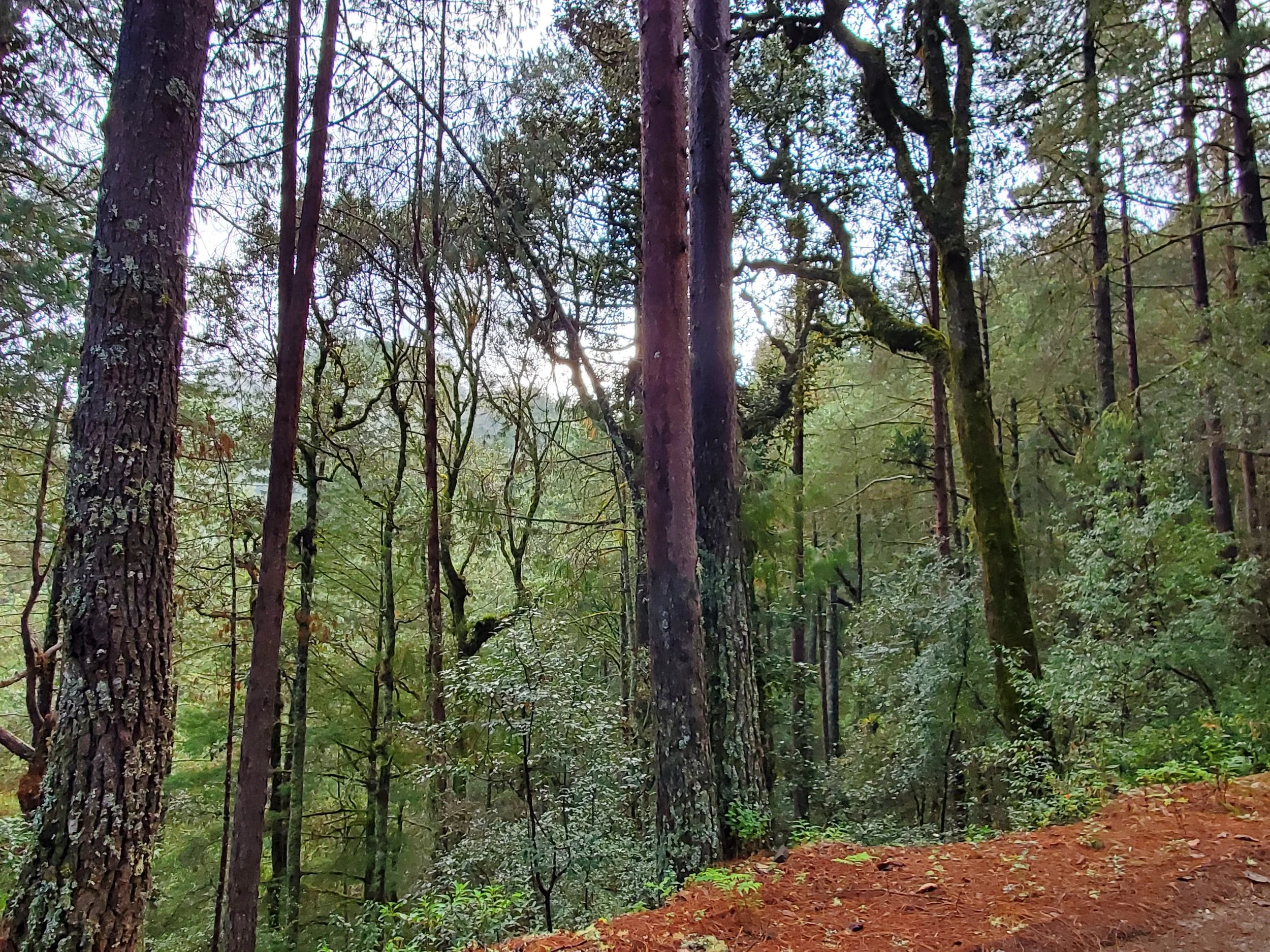
Photographed here is the Mirador Montetik, a viewpoint from Montetik National Park.
Chiapas-Guatemala Highlands
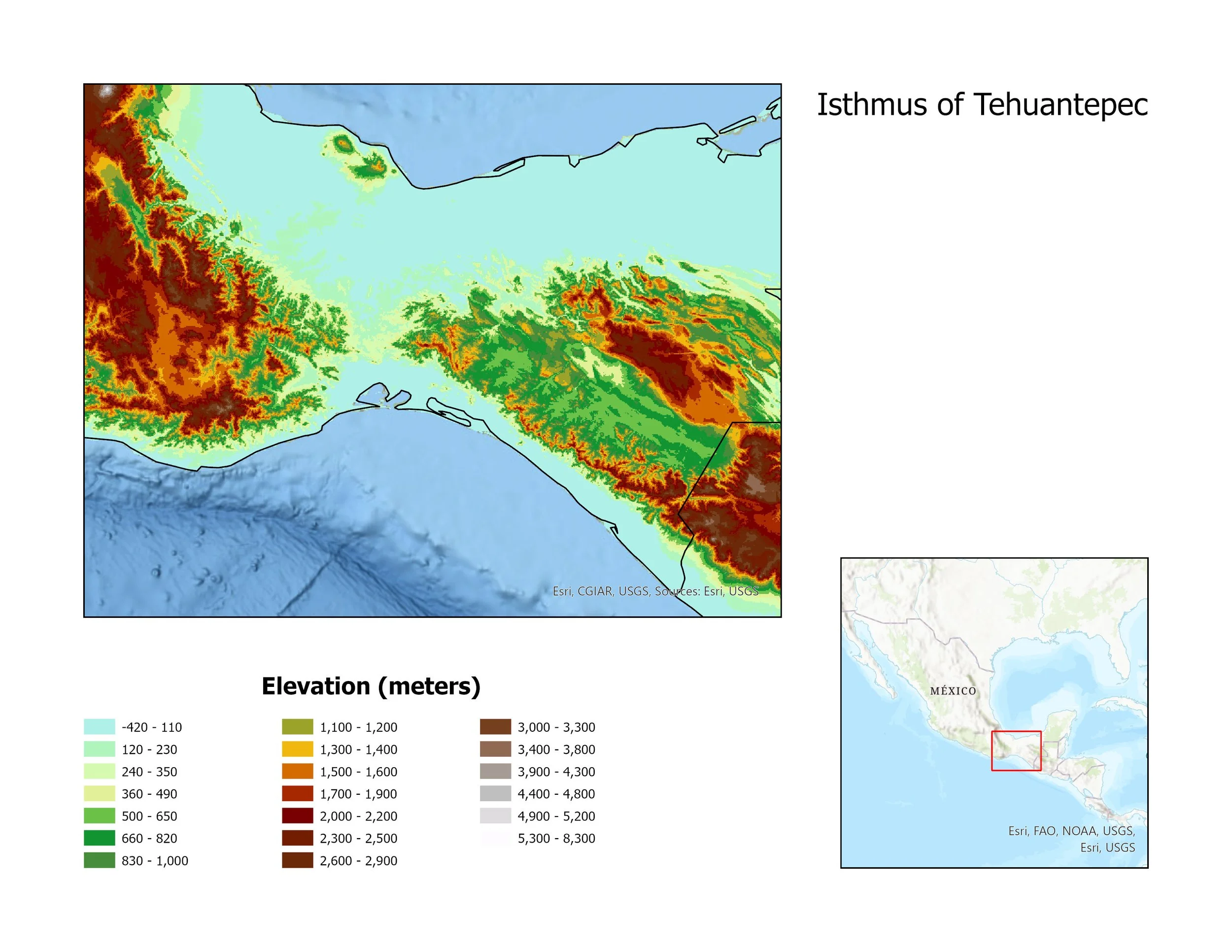
The highlands of the Mexican state of Chiapas and the highlands of Guatemala, Honduras and El Salvador are a continuation of the same set of interconnected mountain ranges, geographically isolated from others. The western border of these highlands lies at the Isthmus of Tehuantepec, a low valley and the narrowest stretch of land between the Caribbean Sea and Pacific Ocean in Mexico, isolating these highlands from those of the state of Oaxaca and the Trans-Mexico Volcanic Belt. The highlands taper off at their eastern and southern border near the border between Honduras and Nicaragua. Hereby referred to as the Chiapas-Guatemala Highlands, let's take a look at what makes this ecological zone so fascinating.
The Isthmus and western border of these highlands represent a limit and transition zone for much biodiversity, and the region is often cited as the border between the Nearctic and Neotropics, or the border between North America and Central America. Indeed, many Nearctic avian species, and even a few families reach their southern limits in Oaxaca's highlands, with the Isthmus acting as a barrier between them and the climatically similar Chiapas-Guatemala highlands. Two iconic northern hemisphere families reach their southern limits in Oaxaca, stopped by the ecological barrier that is the Isthmus; the Sittidae (nuthatches) and the Paridae (tits and chickadees) with White-breasted Nuthatch (Sitta carolinensis) and Bridled Titmouse (Baeolophus wollweberi) respectively representing the southern limits of those families.
Chiapas-Guatemala Highlands Endemics:
Its isolated geography make the Chiapas-Guatemala Highlands ecologically distinctive, with many endemic taxa of birds since the Isthmus stunts or prohibits gene flow (interbreeding) with populations of birds from other high elevations. Here's a list of endemic species and distinctive subspecies found in the Chiapas Guatemala Highlands.
Buffy-crowned Wood-Partridge (Dendrortyx leucophrys) (subspecies)
Spotted Wood-Quail (Odontophorus guttatus) (subspecies)
Amethyst-throated Mountain-gem (Lampornis amethystinus) (subspecies)
Sharp-shinned Hawk (Accipiter striatus) (subspecies)
Northern Pygmy-Owl (Glaucidium gnoma) (subspecies)
Northern Emerald-Toucanet (Aulacorhynchus prasinus) (subspecies)
Northern Flicker (Colaptes auratus) (subspecies)
Strong-billed Woodcreeper (Xiphocolaptes promeropirhynchus) (subspecies)
Mountain Elaenia (Elaenia frantzii) (subspecies)
Greater Pewee (Contopus pertinax) (subspecies)
Buff-breasted Flycatcher (Empidonax fulvifrons) (subspecies)
Unicolored Jay (Aphelocoma unicolor) (subspecies)
Brown Creeper (Certhia americana) (subspecies)
Common Chlorospingus (Chlorospingus flavopectus) (subspecies)
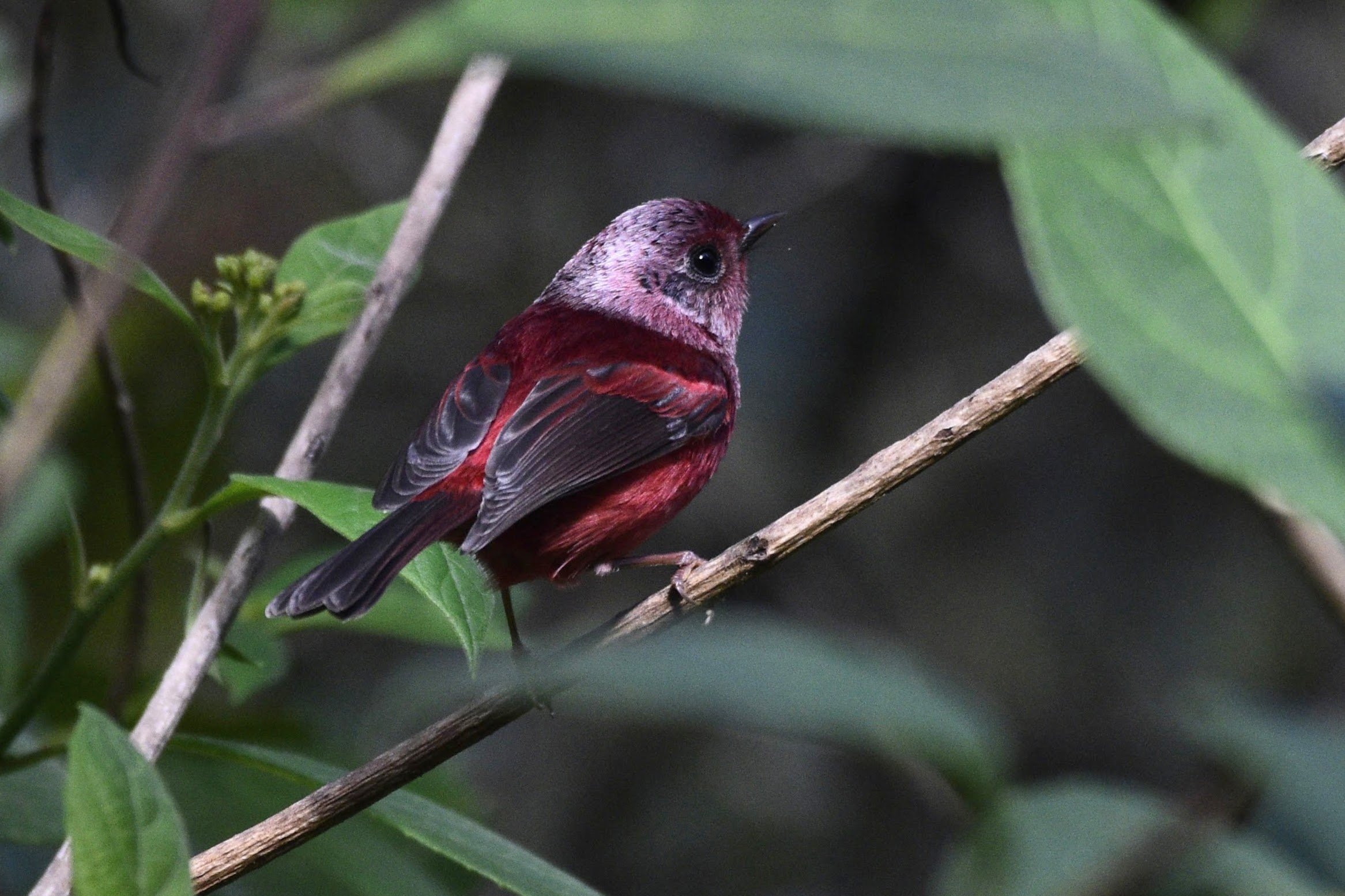
Pink-headed Warbler
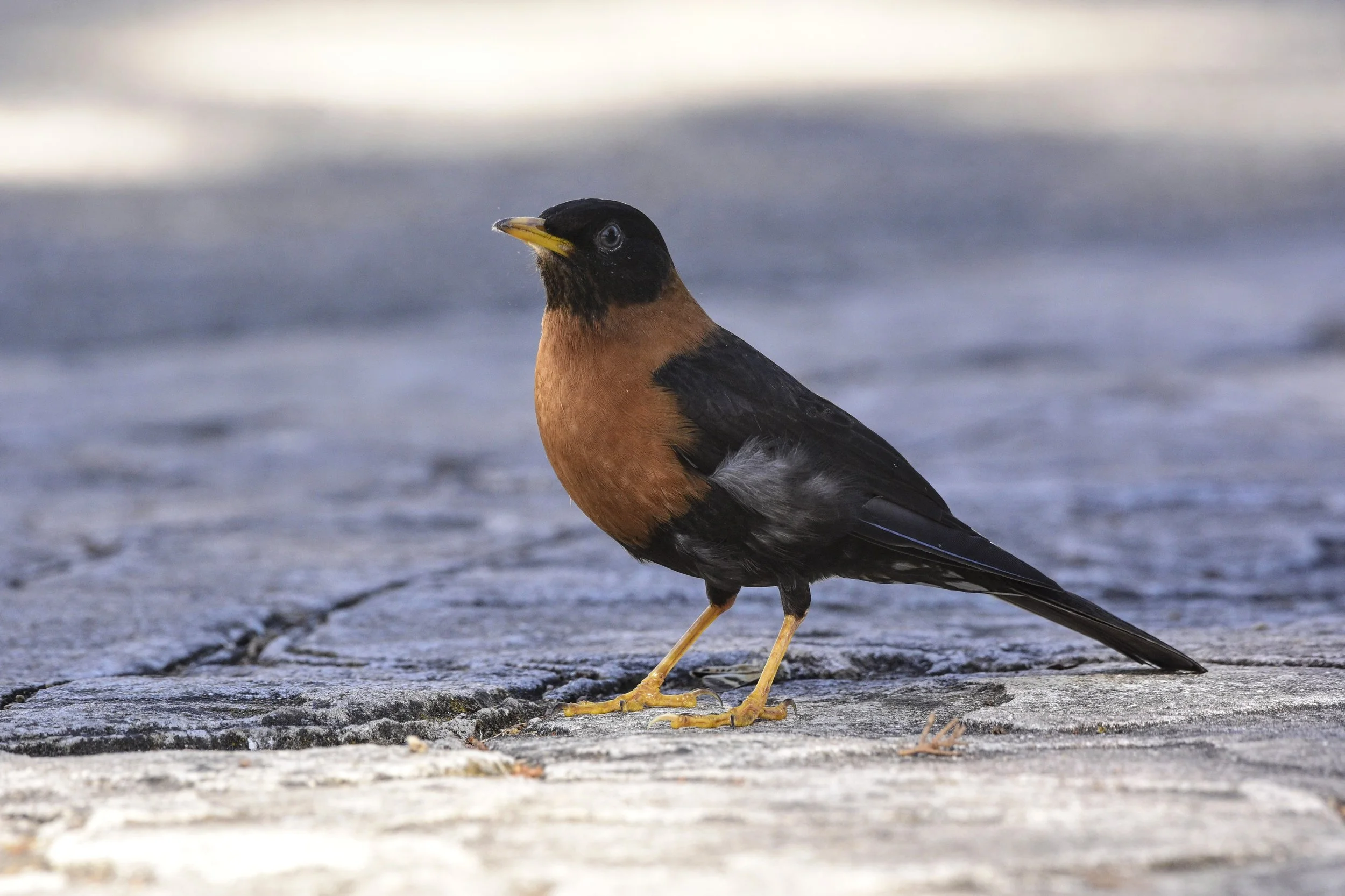
Rufous-collared Robin
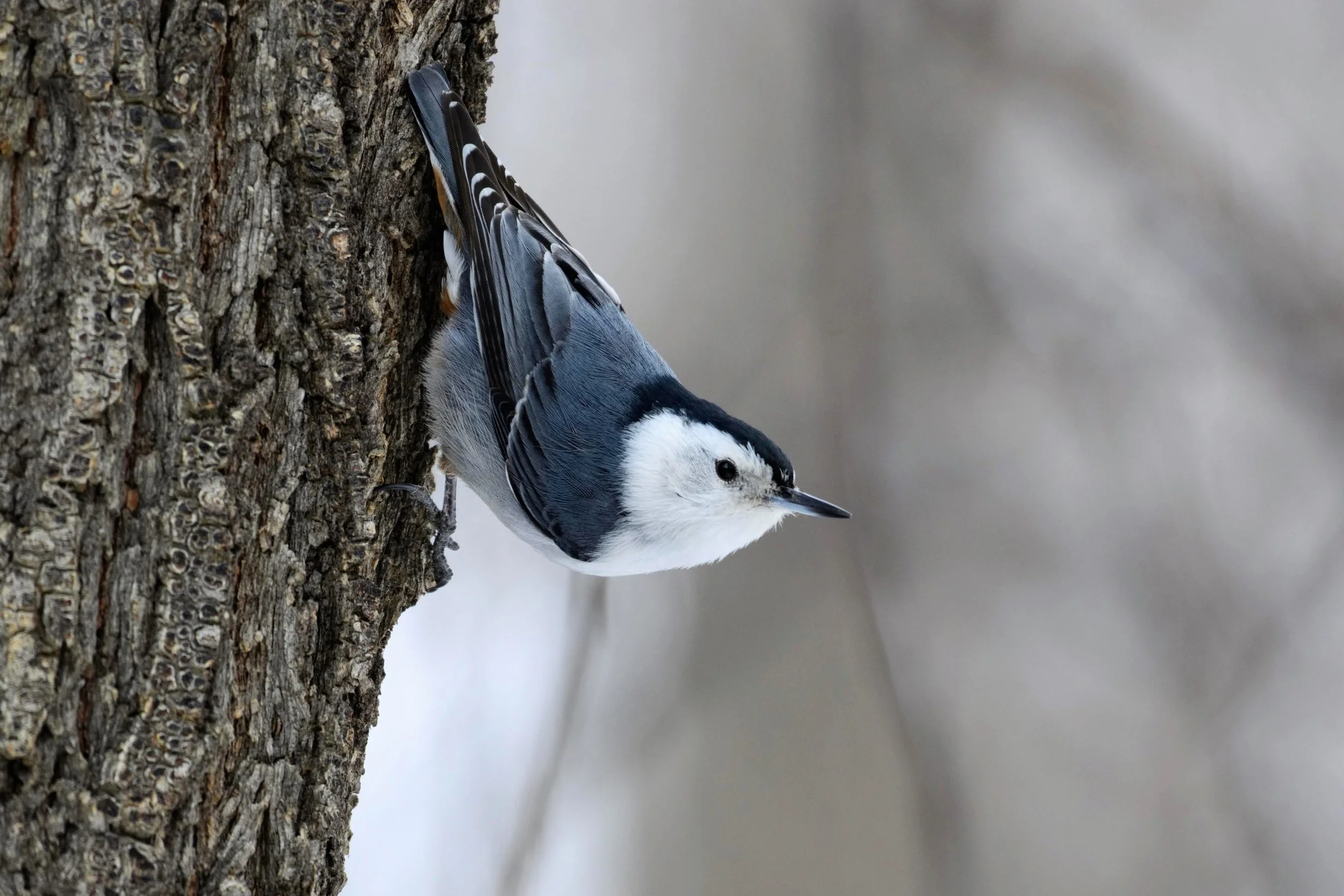
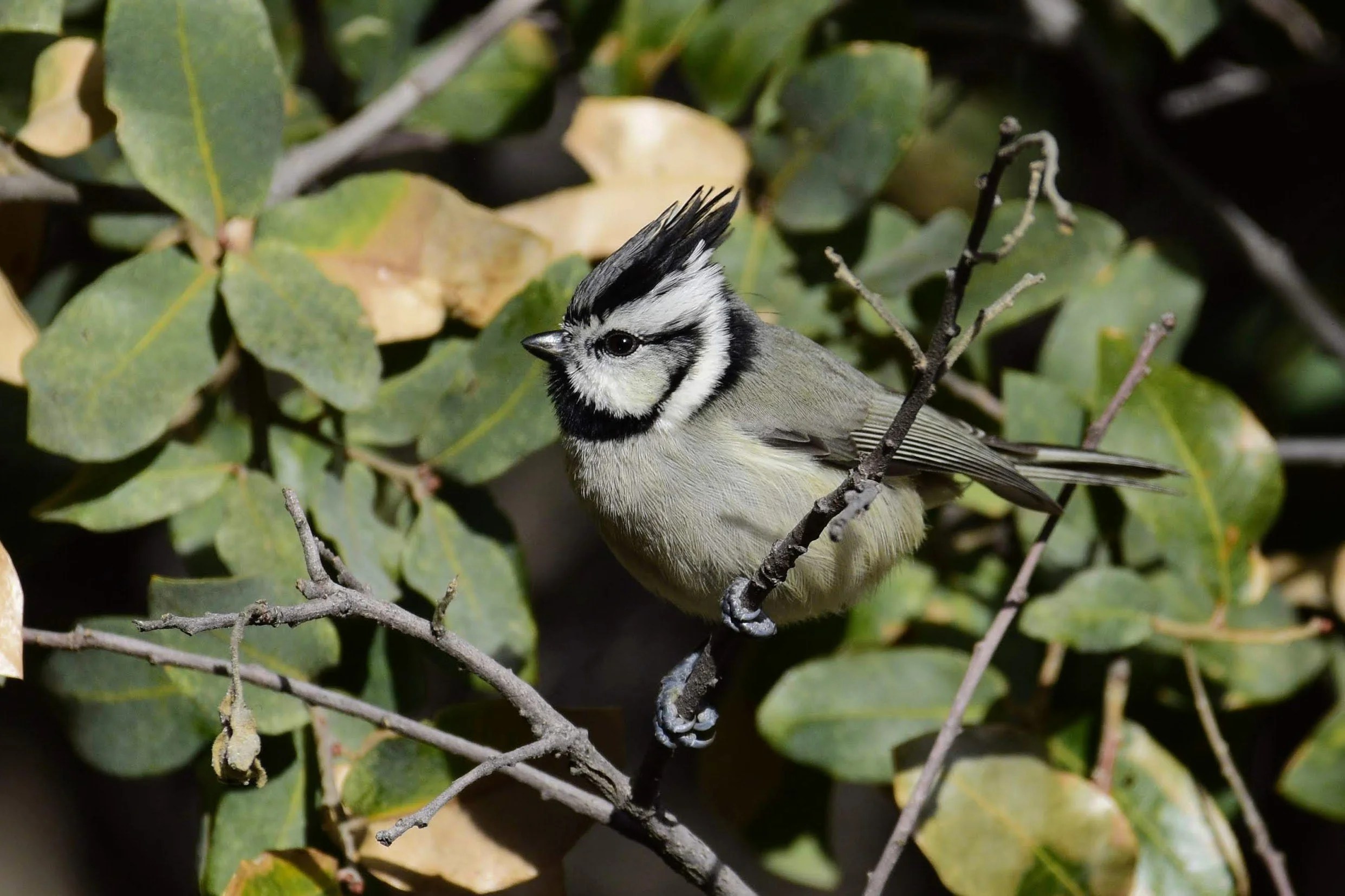
“…a few families reach their southern limits in Oaxaca's highlands, with the Isthmus acting as a barrier between them and the climatically similar Chiapas-Guatemala highlands…”
The White-breasted Nuthatch (Sitta carolinensis), southernmost member of the family Sittidae that reaches Oaxacan highlands but is barred by the Isthmus from Chiapas highlands.
The Bridled Titmouse (Baeolophus wollweberi), southernmost member of the family Paridae that reaches Oaxacan highlands but is barred by the Isthmus from Chiapas highlands.
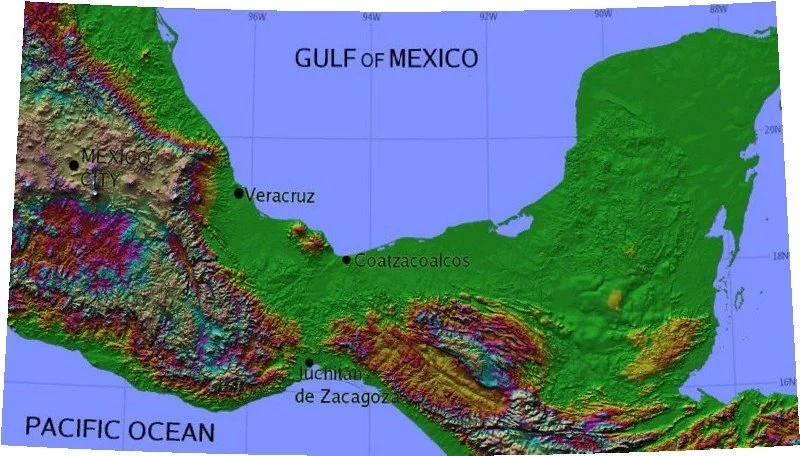
Topographic elevation map of the Isthmus of Tehuantepec, its low elevation separating the Oaxacan highlands to the west from the Chiapas highlands to the east. This acts as a barrier to many high elevation flora and fauna. Image source: Wikipedia.
References
https://en.wikipedia.org/wiki/Isthmus_of_Tehuantepec
https://birdsoftheworld.org/bow/home