Texas, April 2023

What makes Texas so special? The state is often known for its longing to be viewed as its own entity, as something unique. And well
, I'm here to give it that. There are a lot of cool things about this state's geography, ecology, and not least of all, its birdlife.
…
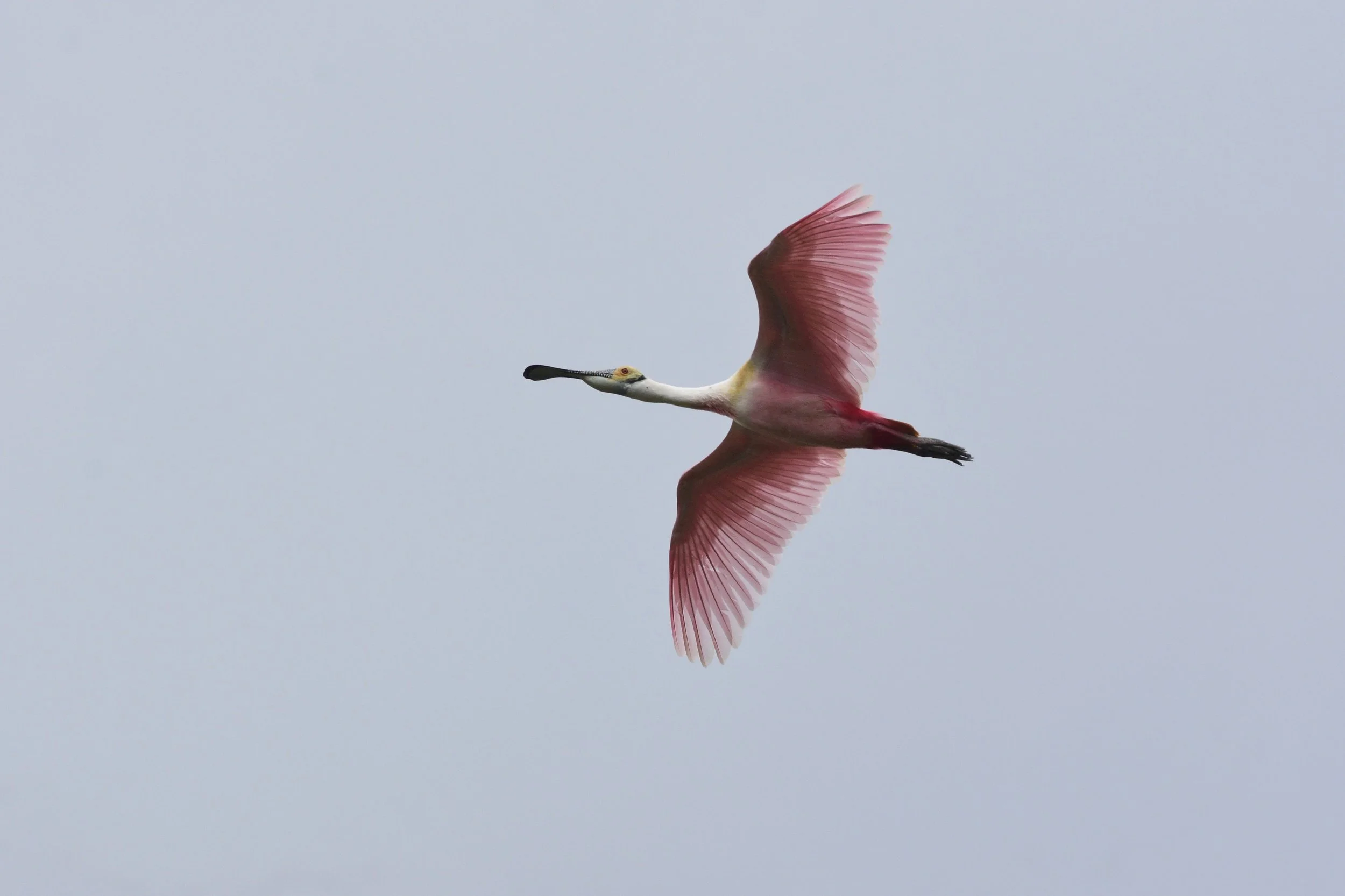
Upon wrapping up an intense two weeks of guiding in the southern half of this state, I'm grateful to have shared the incredible ecosystems and avifauna of the region to a wonderful group of clients and festival participants, simultaneously expanding my own knowledge of this transitional subtropical zone.
So, what does make Texas so special? Well, my two weeks here were an incredible opportunity for me to familiarize myself with its nature and landscapes more, and come to realize that it really is a distinctive region not just culturally, but ecologically.
South Texas is known among the birding community in the US and Canada for its incredible birdlife of more tropical species not found in any other part of those countries; with Green Jays, Great Kiskadees, Green and Ringed Kingfishers, Plain Chachalacas, Altamira and Audubon's Orioles, to name a few. Of course, these species are not unique to South Texas, but have fairly broad ranges in Mexico and deeper in the tropics. So instead, Texas is more ecologically unique for its hill country; the place of breeding Golden-cheeked Warblers, Black-capped Vireos, and many endemic reptiles, amphibians, and plantlife. The incredible part is that this central part of the state simultaneously acts as its own ecological entity while being the convergence zone of several of the major continental biomes found in North America; desert southwest, Great Plains prairie, eastern hardwood forest and subtropical woodlands. This allows a cool convergence where species like Pyrrhuloxia, Scissor-tailed Flycatcher, Yellow-throated Warbler, and Green Jay can be found breeding side-by-side, and where Northern Parulas meet and hybridize with Tropical Parulas.
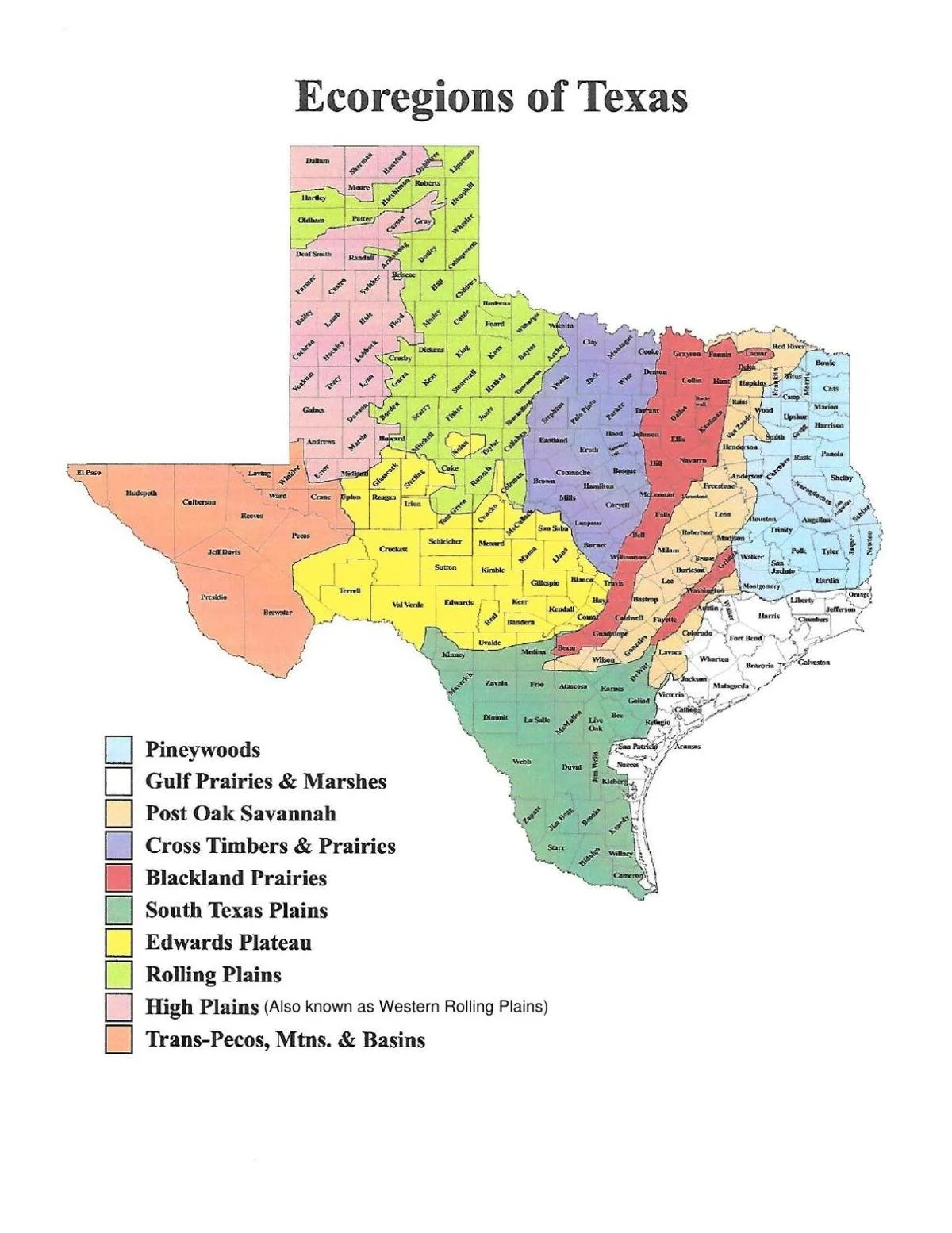
This image was created by Victoria Advocate. For more detailed information on Texas Ecology visit the educational Texas Ecoregions webpage from the government website.
While many more blog posts could be committed to marveling at the fascinating ecological things happening here, this post is simply to display a set of anecdotes from a two-week in the spring of 2023. See photography below.
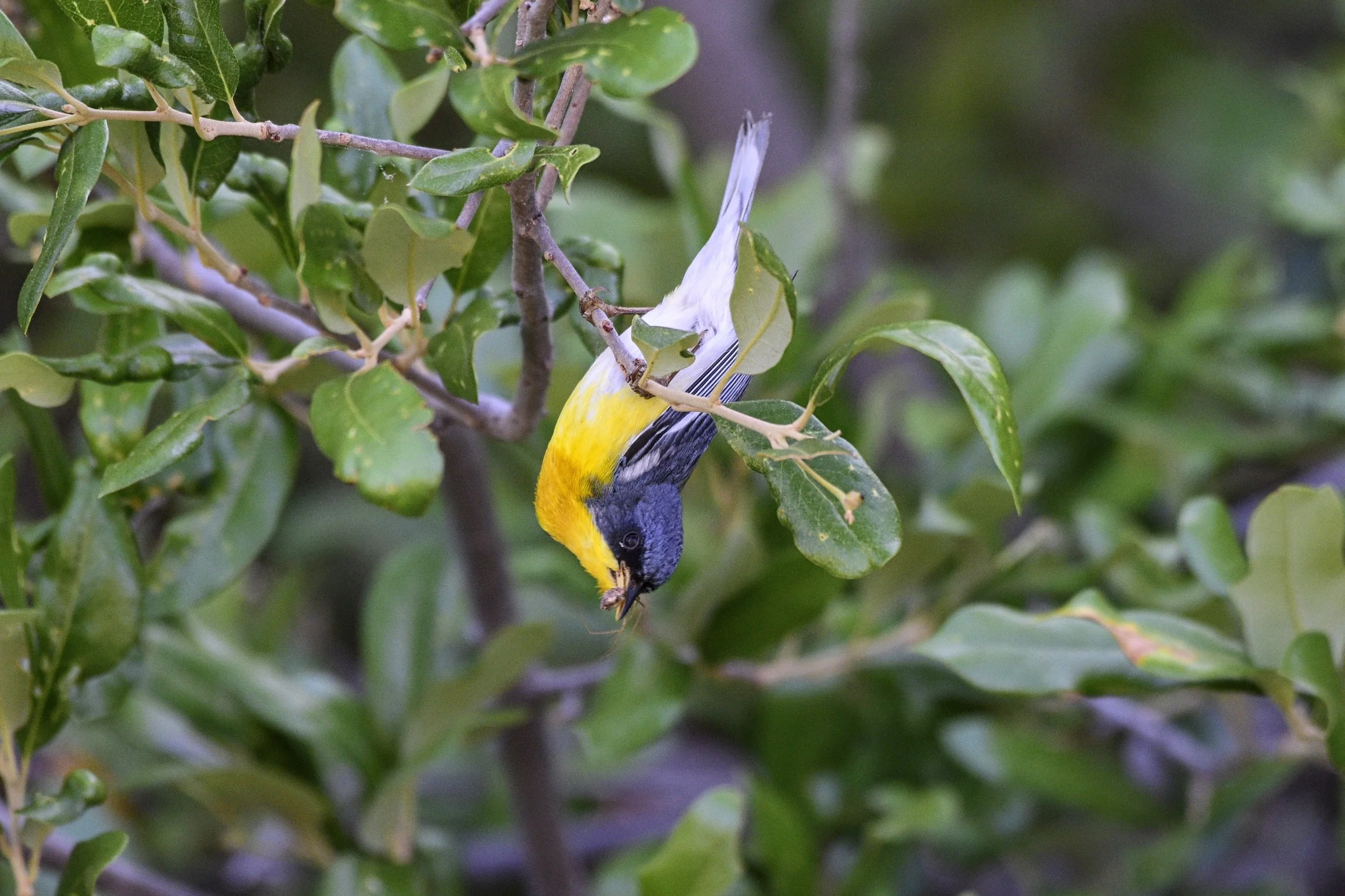
Northern X Tropical Parula!
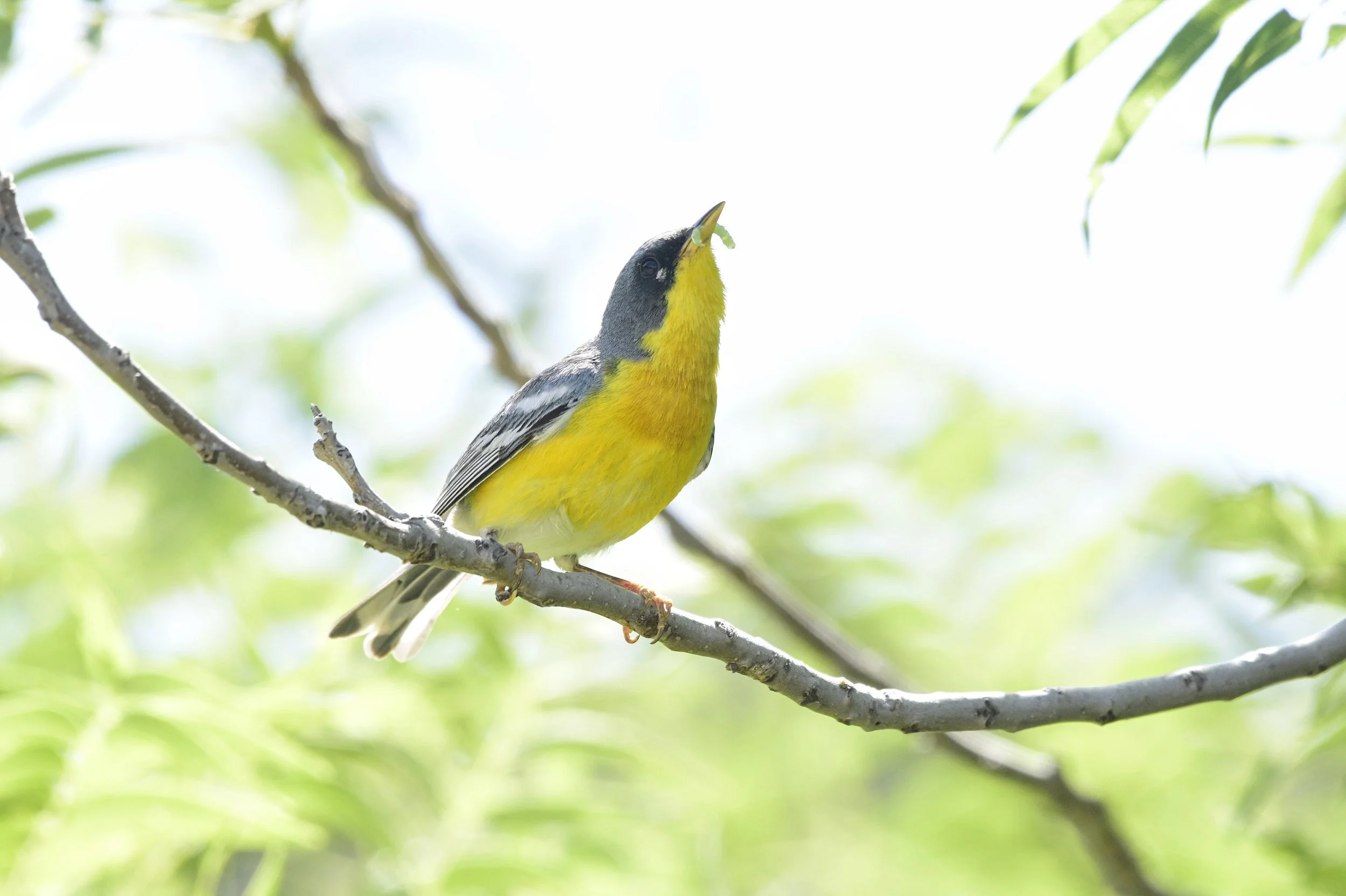
Parula acrobatics. This is a hybrid Northern x Tropical Parula (Setophaga americana x pitiayumi), that phenotypically, looks *almost* like a pure Tropical Parula and is probably mostly just that. But you can see the tiniest flecks of white around the eye, and the messy traces of a collar, both traits indicating Northern Parula genes. This is one of 5 parulas our group visually encountered at Devil's River State Natural Area in central Texas, all of them hybrids. Another similar-looking individual is pictured belo.
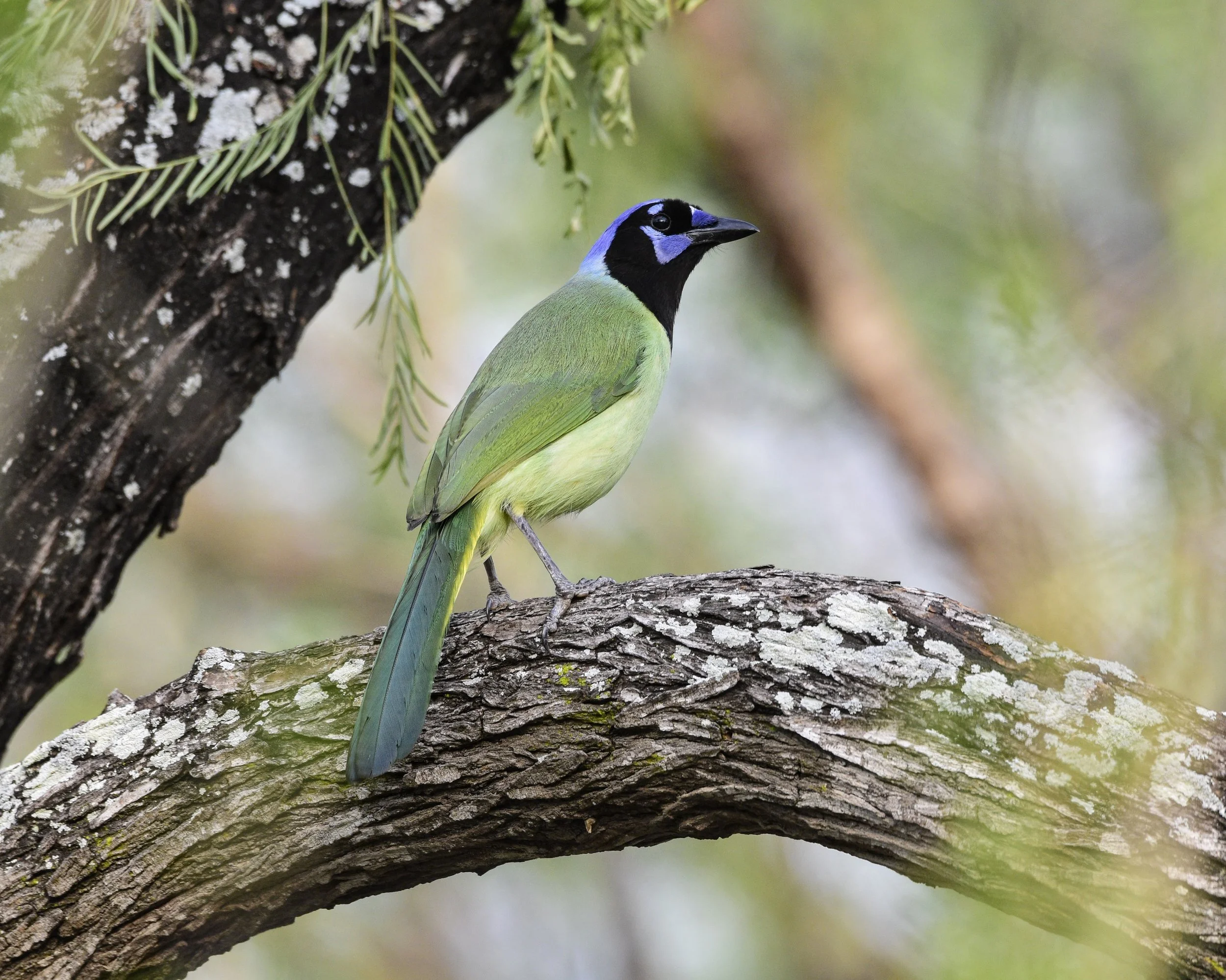
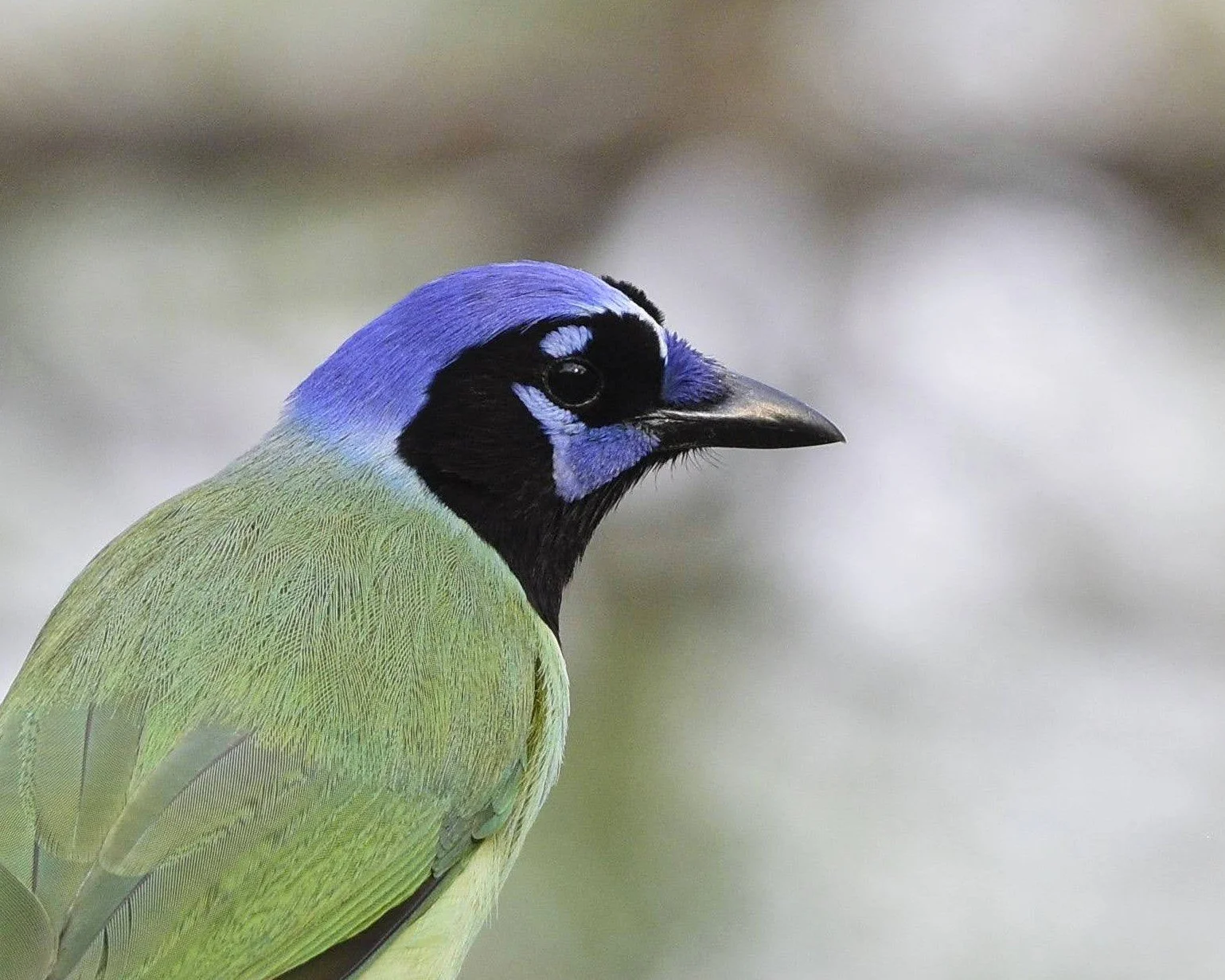
It's true, Green Jays (Cyanocorax luxuosus) are a big deal, and a trip to South Texas without them would be incomplete. Did you know, Green Jay eyes get darker as you go further north in their range? In southern Mexico and Central America, their irises are bright yellow!
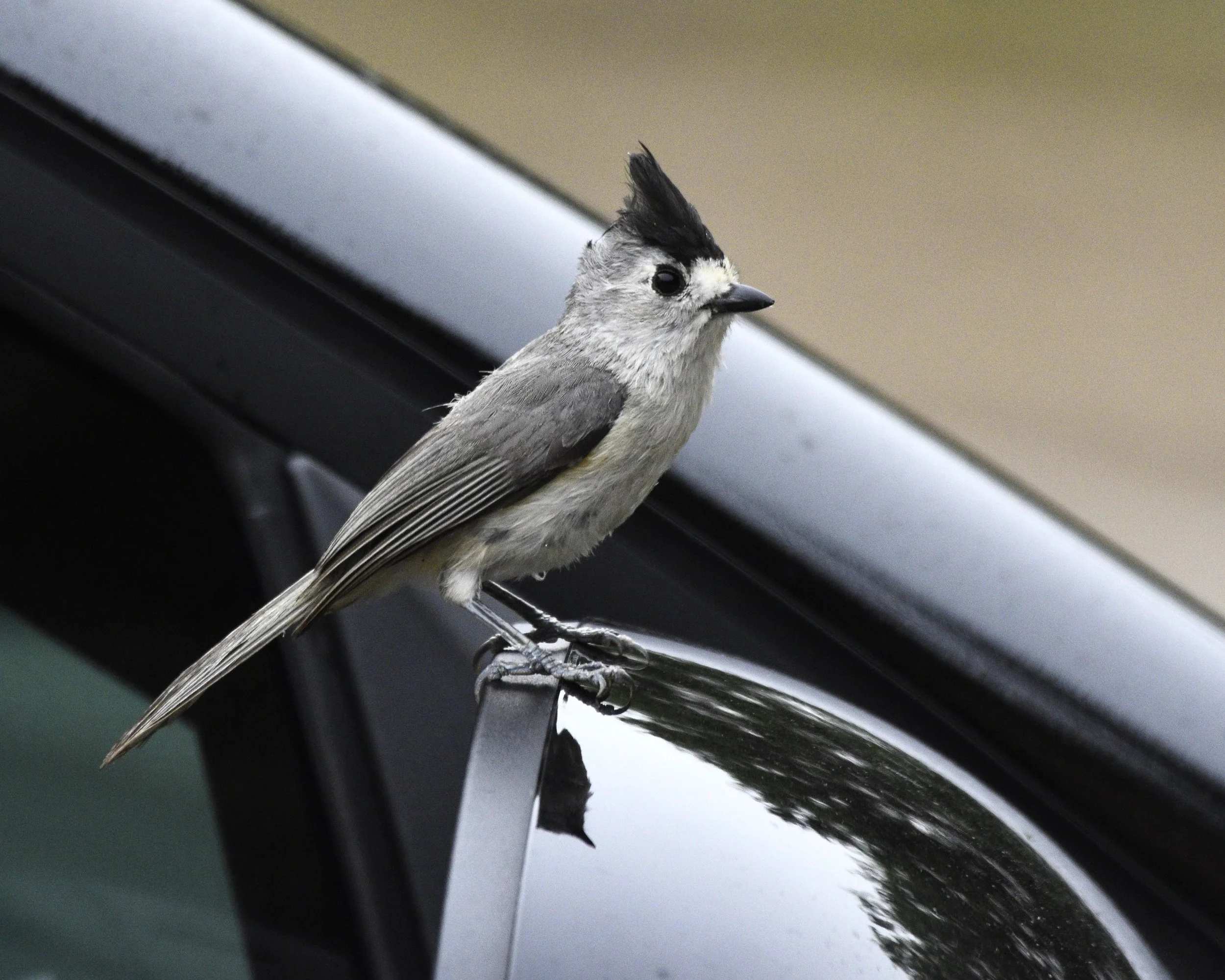
Staying true to Paridae behavior, this Black-crested Titmouse (Baeolophus atricristatus) needed someone to have beef with so it found its reflection on the sideview mirrors of the neighboring vehicle, at Santa Ana NWR.
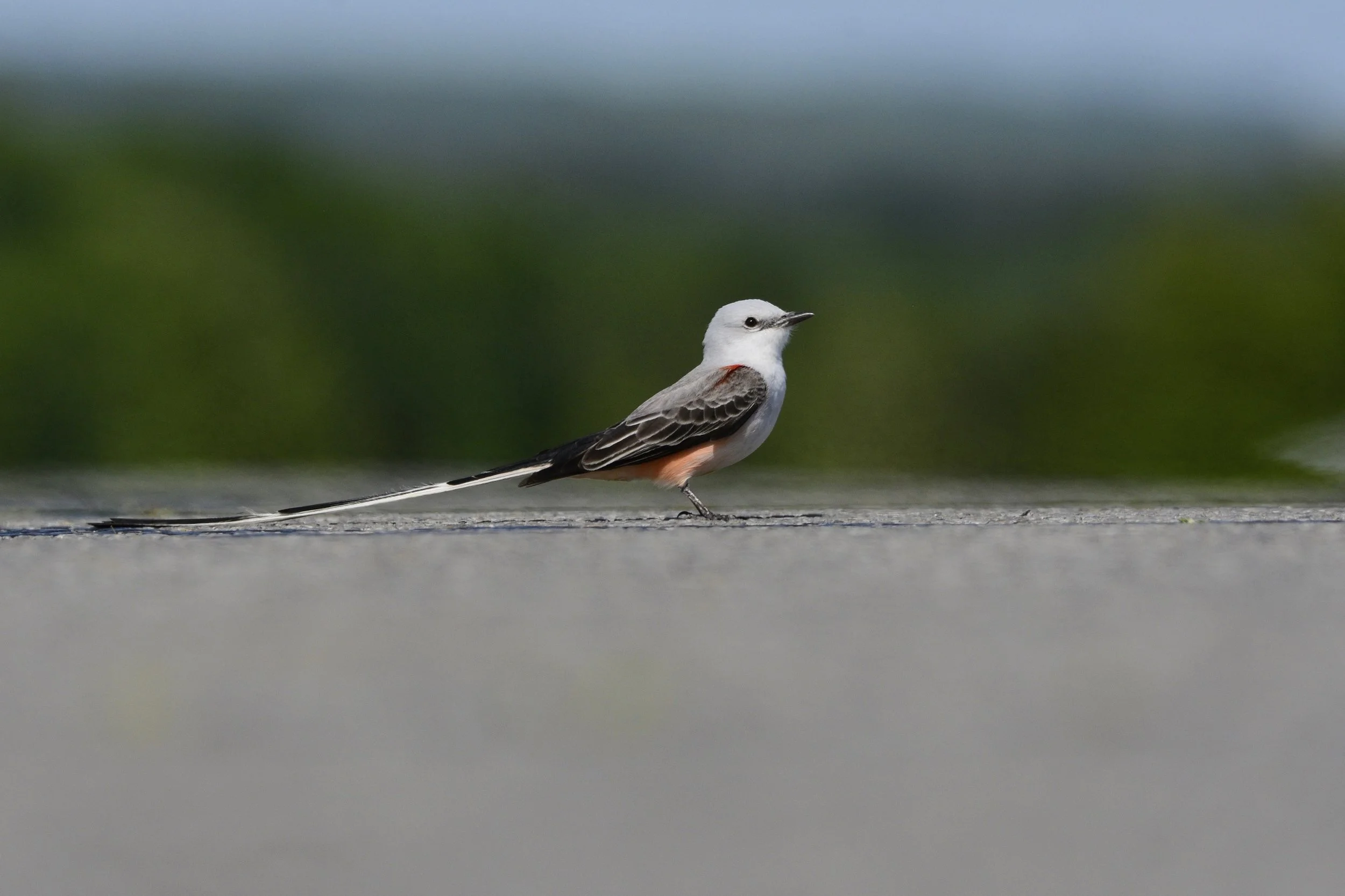
Scissor-tailed Flycatcher (Tyrannus forficatus), the statebird of Oklahoma but almost as evenly abundant throughout in Texas.
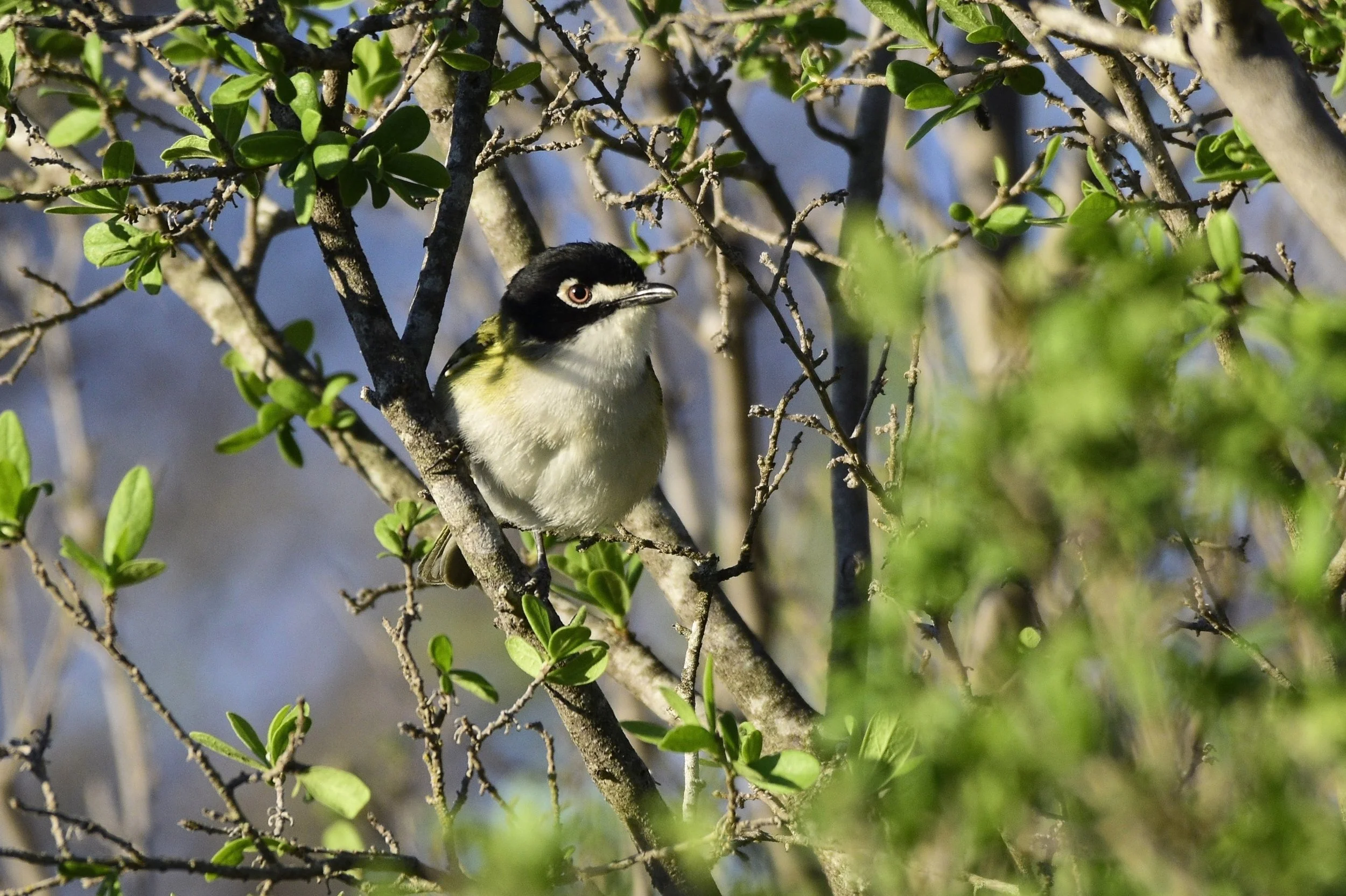
Black-capped Vireo (Vireo atricapilla)
While guiding festival participants to see this species, Yucatan bird endemics were brought up in conversation by a participant. Now, this topic may seem completely unrelated, but actually the Black-capped Vireo's closest relative may well be the Cozumel Vireo, endemic to just the island of Cozumel, thousands of miles away from breeding Black-capped Vireos. They have a very similar singing voice, and Cozumel Vireo has a plumage pattern that looks very much like a brown faded out version of Black-capped.
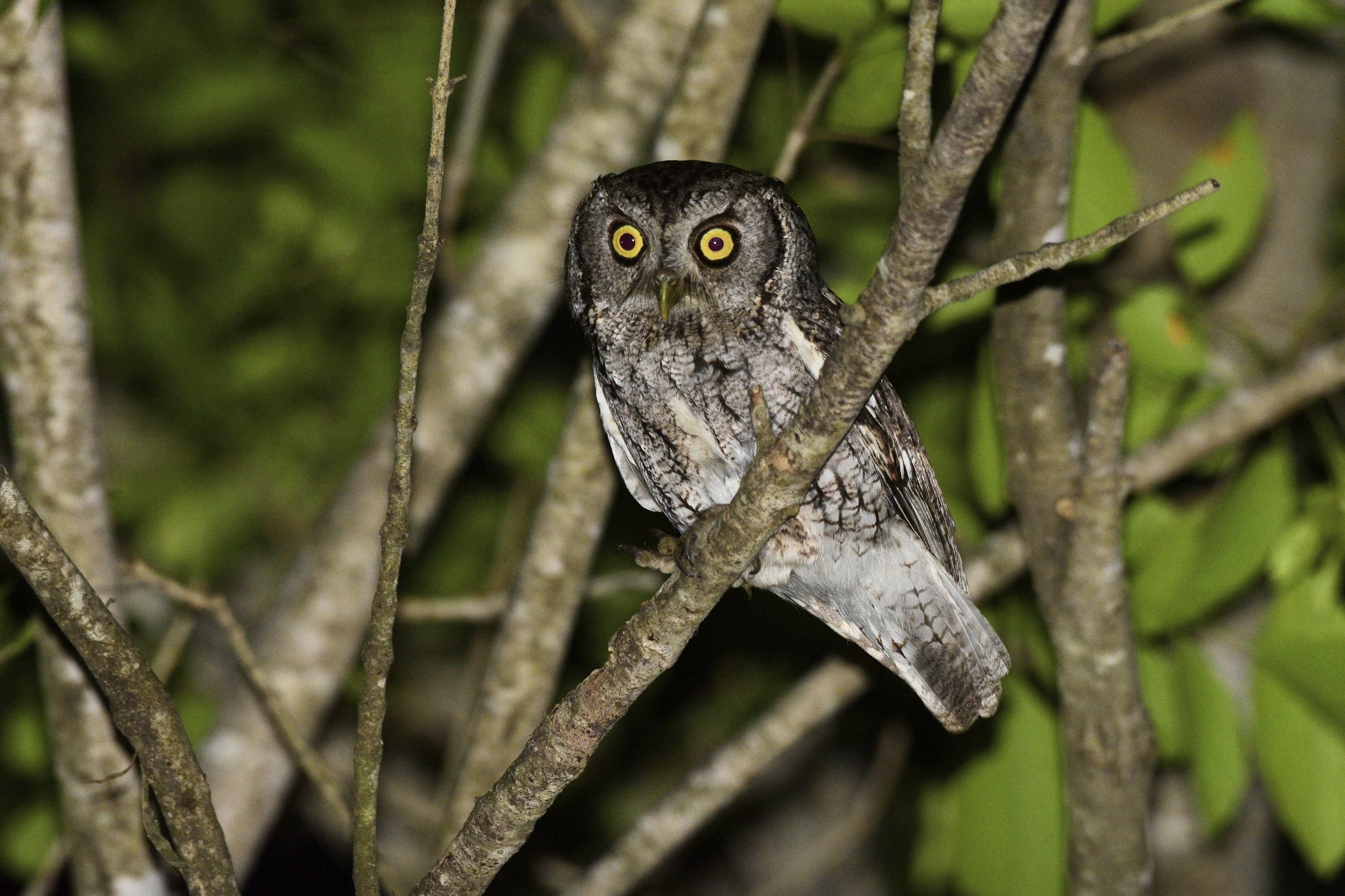
A "McCall's" Eastern Screech-Owl (Megascops asio mccallii), perhaps one day considered its own species.
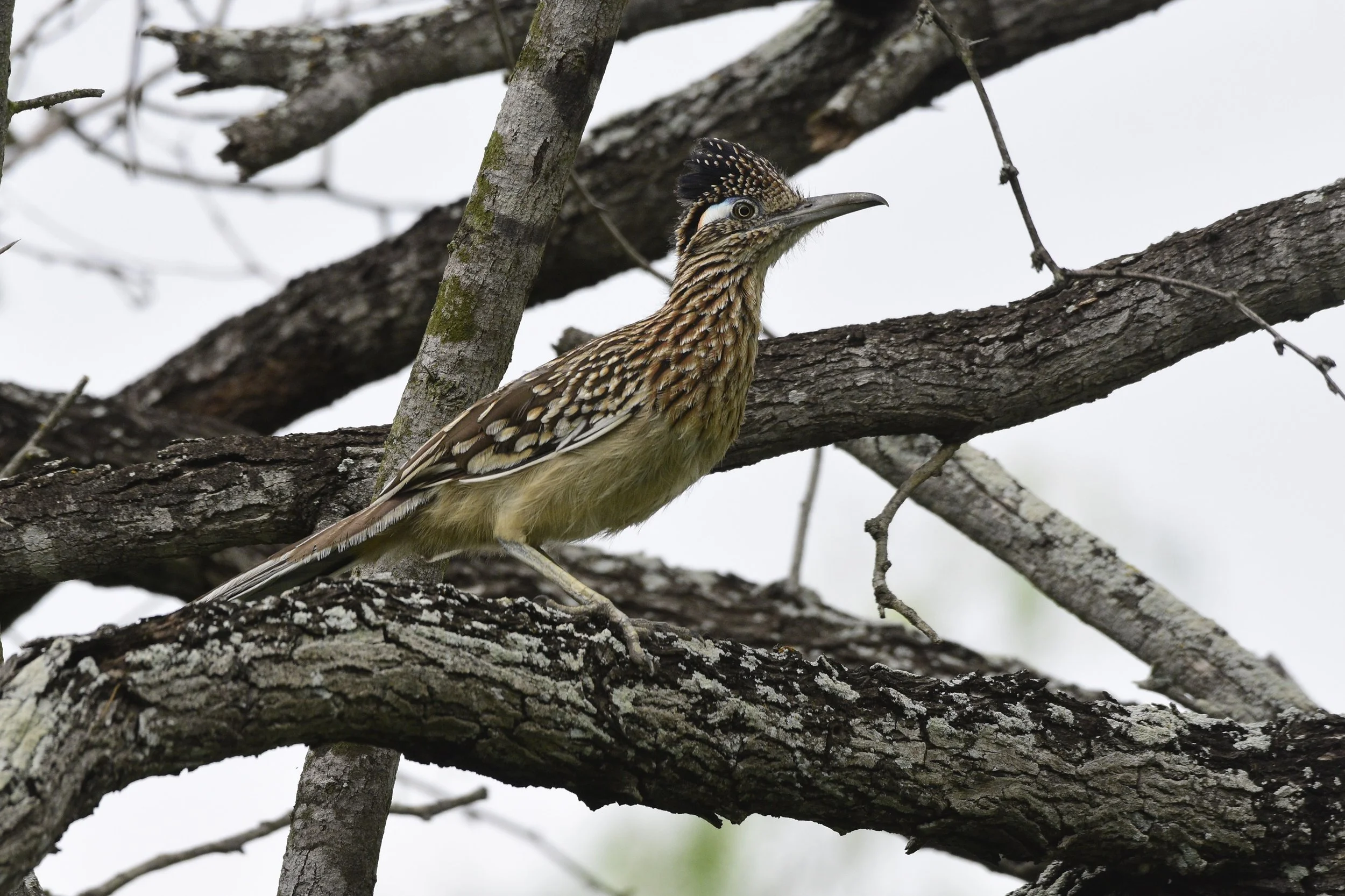
Greater Roadrunner (Geococcyx californianus).
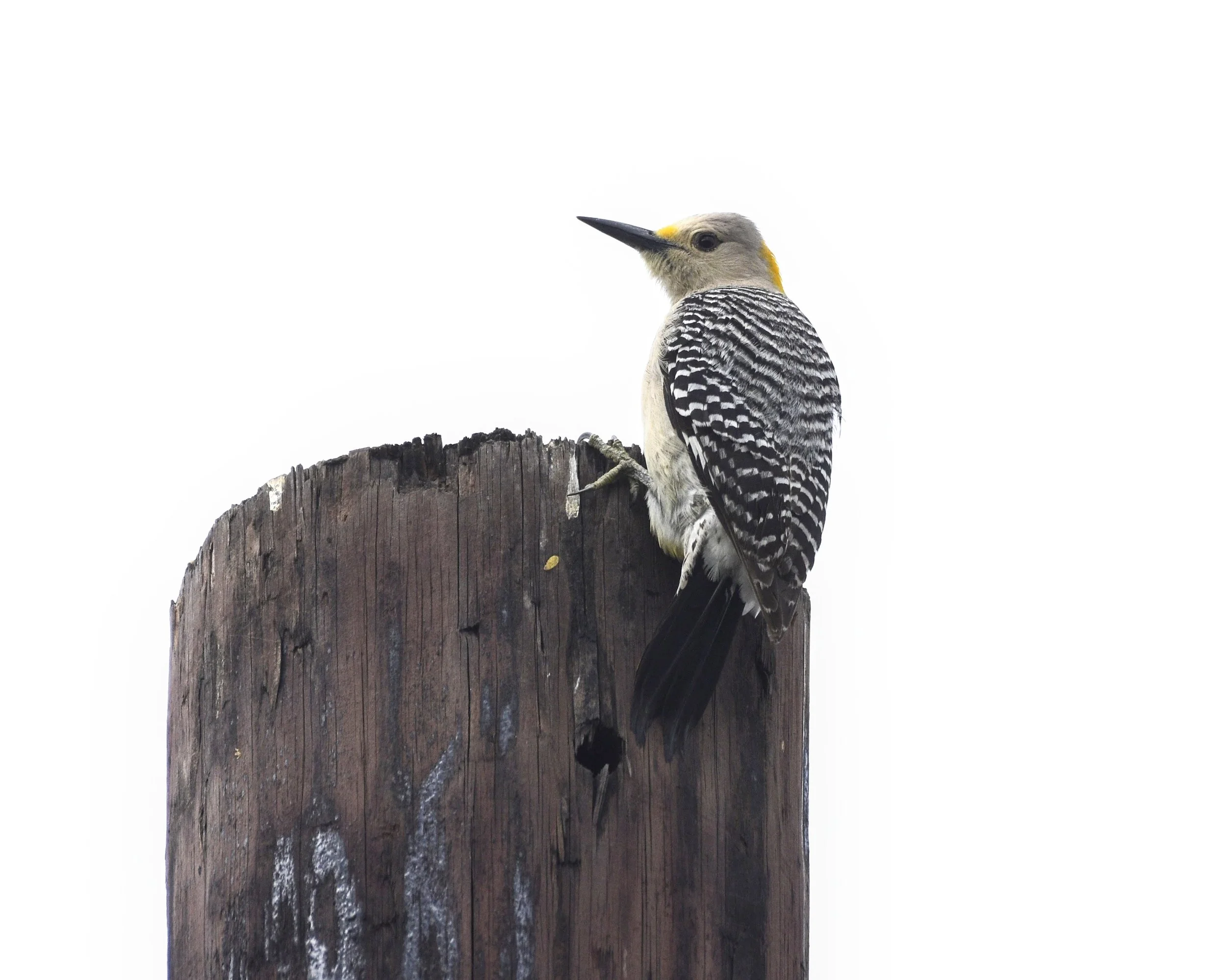
A Golden-fronted Woodpecker (Melanerpes aurifrons) female. These guys seem to occupy the niche of Northern Flickers and Red-bellied Woodpeckers where they occur.
It's not much talked about, but the black-and-white barred Melanerpes woodpeckers kind of blur together from their range in Canada all the way down through South America; where they meet; Red-bellied Woodpeckers hybridize with Golden-fronted Woodpeckers, which hybridize with Hoffmann's Woodpeckers, which hybridize with Red-crowned Woodpeckers.
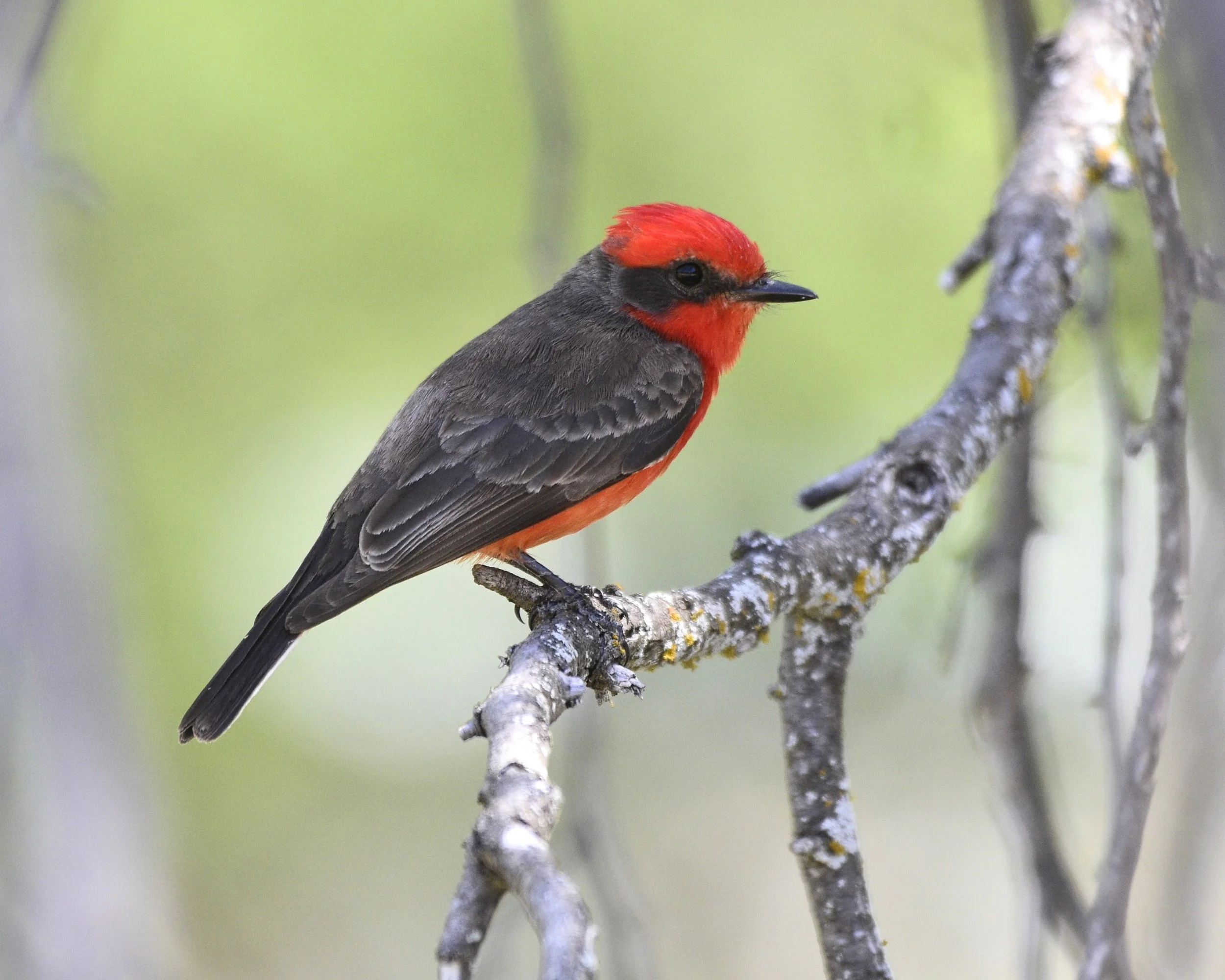
Vermilion Flycatcher (Pyrocephalus obscurus).
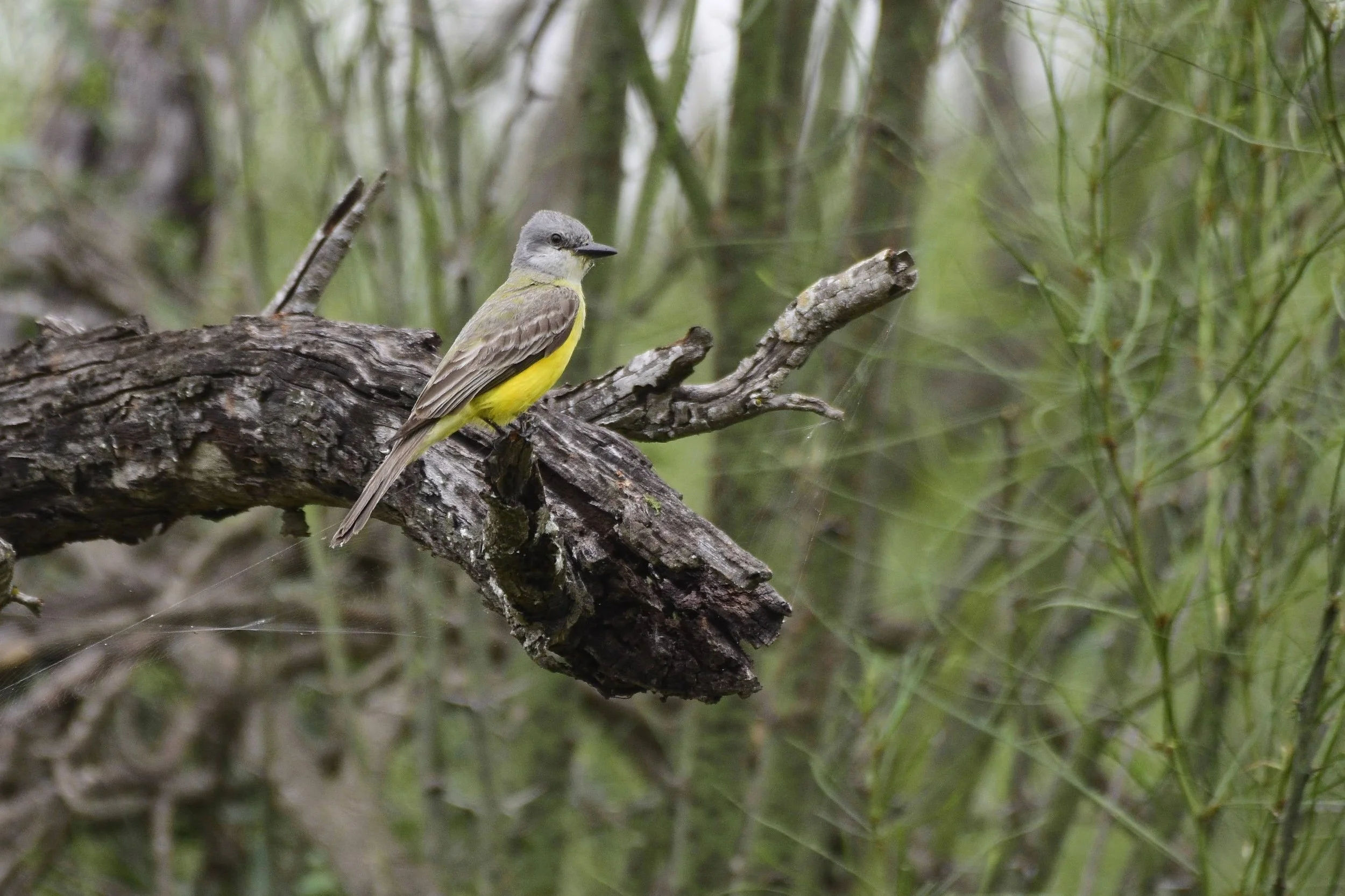
I am always looking for new subtle field marks in structure or plumage that separate similar species or subspecies in the field... but it's really remarkable how differently Couch's and Tropical Kingbirds (Tyrannus couchii & melancholicus) evolved vocally whilst sharing essentially the same plumage and ecology. Can you guess which one this is?
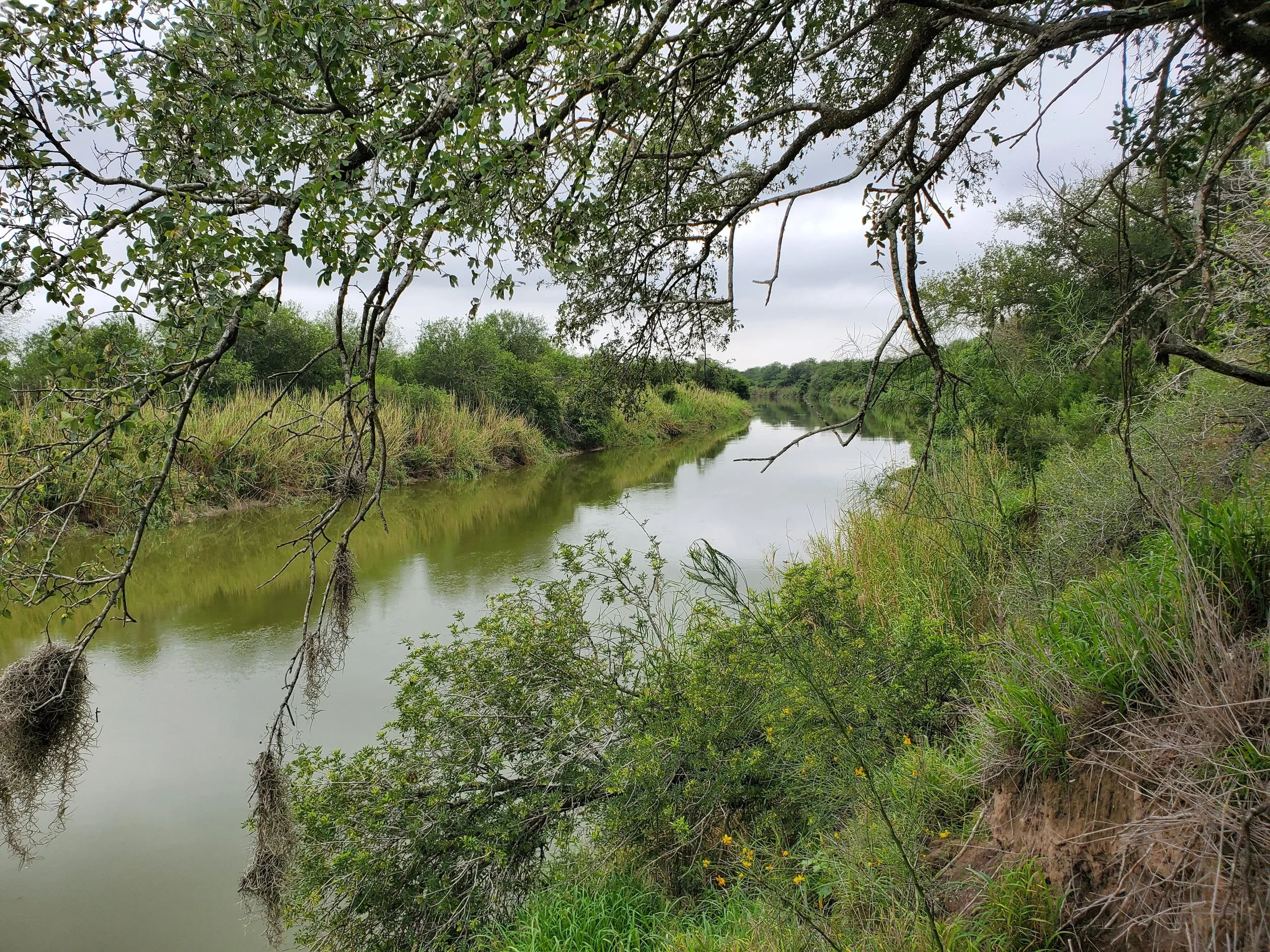
In 2019 I found a singing Gray-crowned Yellowthroat (Geothlypis poliocephala) using both sides of the border here, and none have been found in the US since. No such luck on the day I came back and took this photo, but peering over international borders (Mexico on the left) is always a thrill.
References
https://tpwd.texas.gov/education/hunter-education/online-course/wildlife-conservation/texas-ecoregions