Blog Intro
Welcome to my personal blog.
Here, I strive to contribute unique angles and explanations on both broadly discussed topics as well as some criminally under-appreciated topics, from broad ecological and evolutionary concepts to niche bird identifications, taxonomy, and behavior.
My takes are very much influenced by what I understand about nature, and how the concept of nature drives evolution. The concept of nature isn't the same in every context however, so it's important to recognize what I mean when I say nature. Nature is the physical universe (including humans and our creations), dictated by physics and logic that drive the direction of abiotic and biotic matter, from a macro perspective in populations all the way down to an atomic level and the mutations that take place in DNA.
Nature is the prevailing force that always has the last say.
So in understanding any specific topic in science, we strive to understand nature. We ask the why.
Phylophily
Phylophily is a section of my blog where I talk about phylogeny, taxonomy, and evolution, in birds and in general. Phylophily comes from the latin suffixes "phylo” which means kind or type, and "phily" which implies affinity. So Phylophily then, represents an affinity for kinds, and perhaps more accurately, an affinity for the diversity in kinds.
Crucial Clarifications in Understanding Evolution & Taxonomy: I wanted to take some space to clarify key terms in understanding evolution and therefore taxonomy in birds and other organisms.
Natural Selection -
The concept of natural selection is simply nature's weeding-out of mechanisms that don't promote survival and reproduction in a given environment, and the logical result which is organisms with the perfect combination of characteristics sufficient to survive and reproduce, in their environment. "Selection” just refers to the survival of certain traits or individuals above others.
Evolution -
Sometimes, the term evolution is falsely used interchangeably with the term natural selection. Evolution does not in fact only refer to the weeding-out of disadvantageous traits and selection of advantageous traits, but refers to all aspects that cause change in populations. This includes the "random” changes that happen at genetic levels. For example, genetic drift drives evolution too, and refers to the changing in frequency of certain traits within a population by chance and not by merit of being advantageous to alternative traits.
So, natural selection is just one process or example of how evolution works.
Random -
When we use the term random, it's important to recognize that this is just a placeholder word to describe a process of physics much too complex to summarize. What may seem random to us at a macro-level, has a rational non-random explanation at some molecular level. For example, a single gene mutation might seem "random", but there is always a factor of cascading physics at a molecular level that caused that abnormality to take place, even if it's extremely difficult for us to observe and/or summarize. Suffice it to say, there is no such thing as truly random.
Resources & Credits
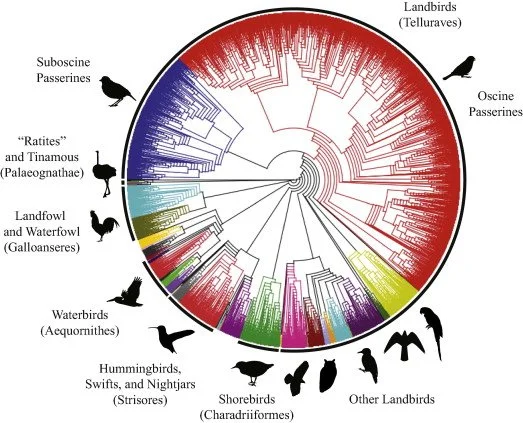
- Phylogenetic Tree image created by Gordon Burleigh et al in 2015 using a “sparse supermatrix.” Source: https://www.sciencedirect.com/science/article/abs/pii/S1055790314004217
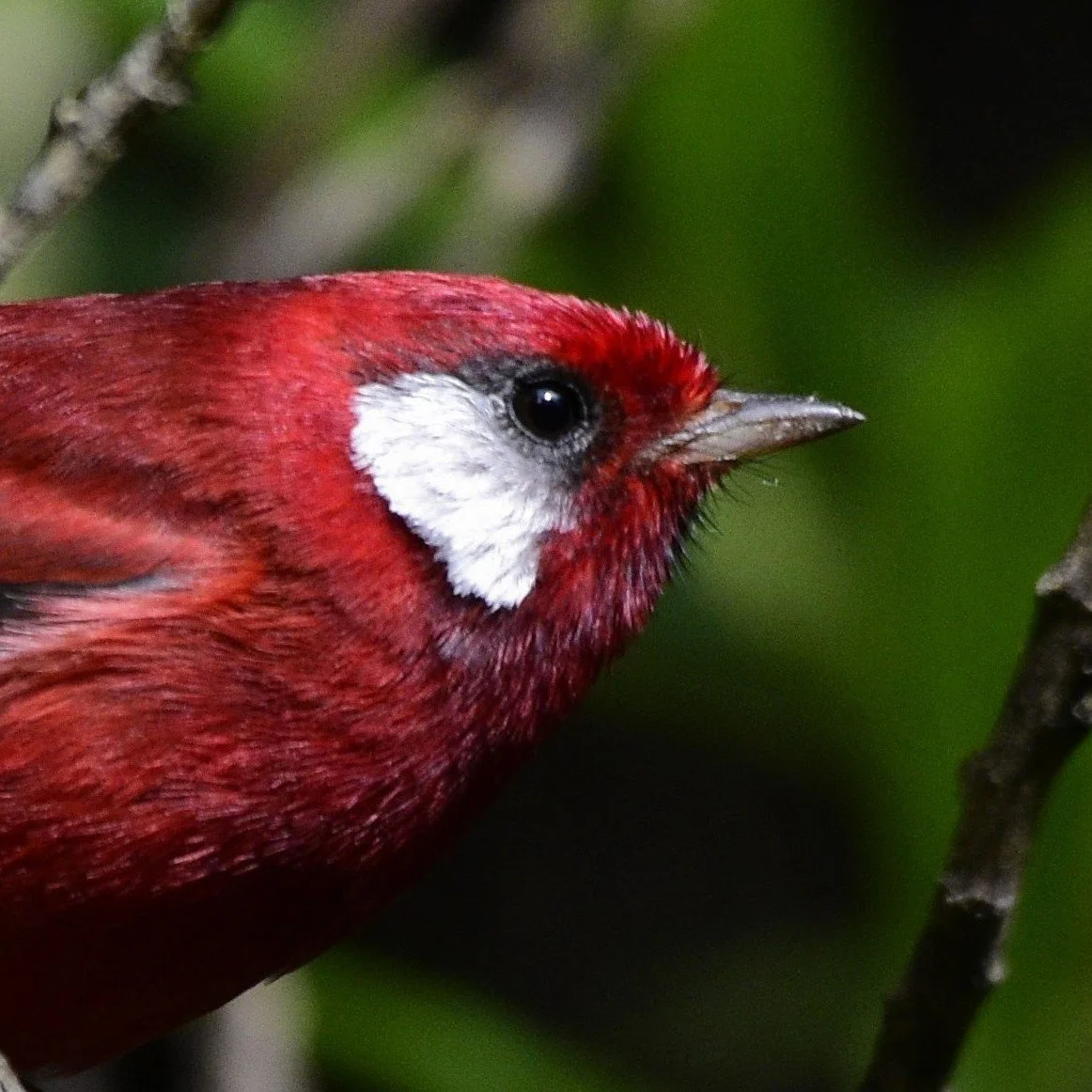
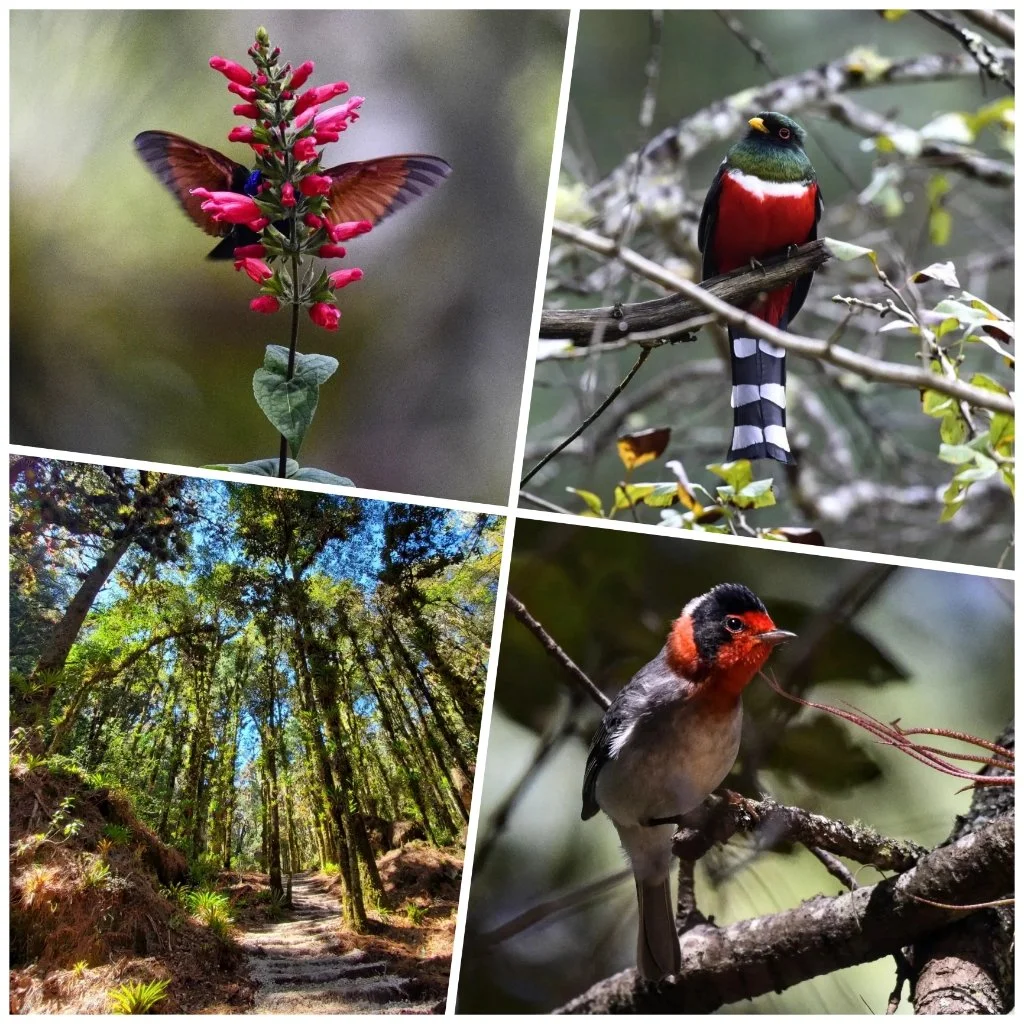
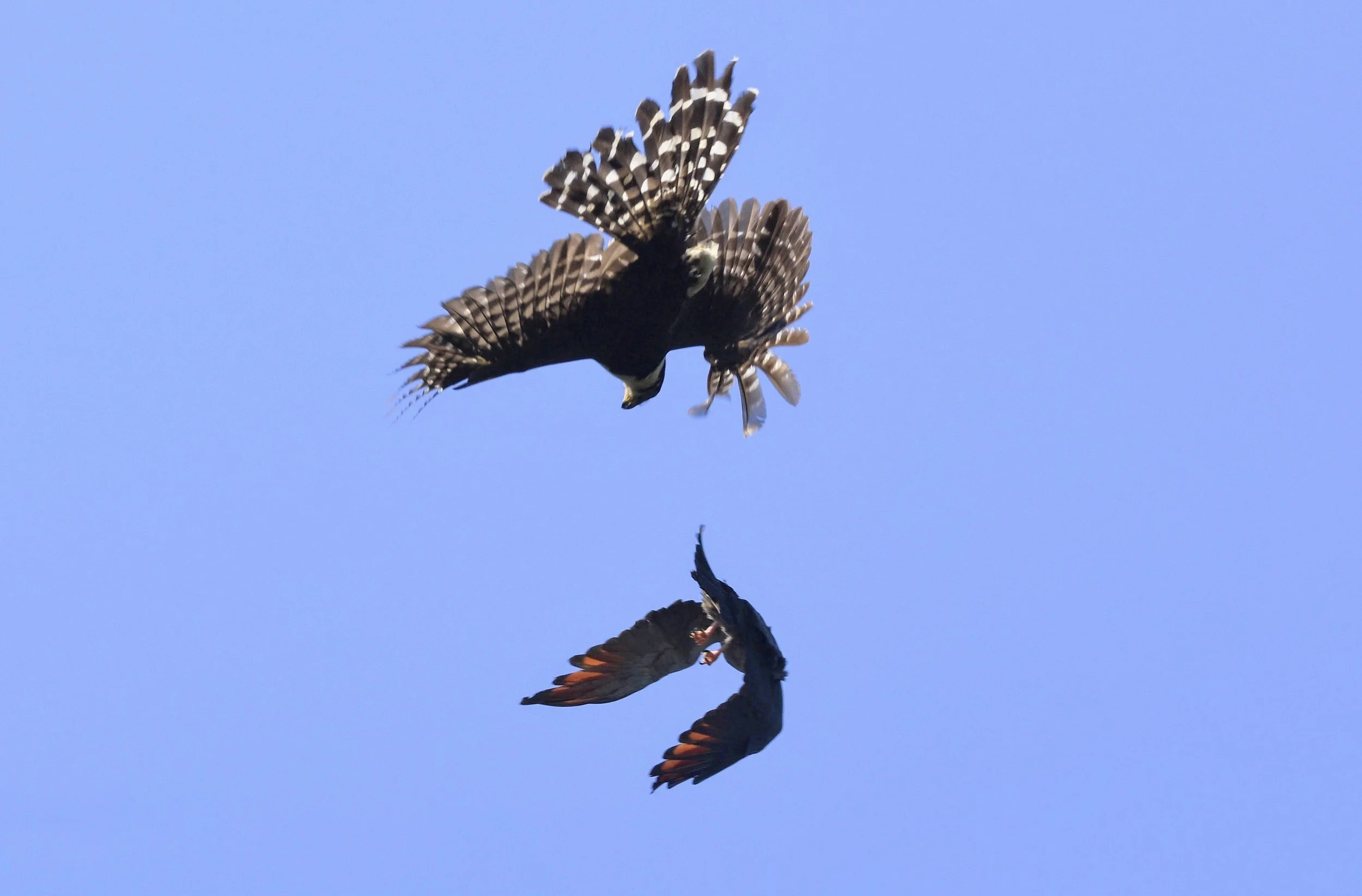
- All other images created by Author